 Skip to content

Understanding Ecuador Without Simplifying It
Rather than presenting Ecuador as “one thing,” the guide helps you understand how different belief systems coexist.
Catholicism arrived with colonization, while indigenous spirituality existed long before it. Over time, both blended into everyday culture — influencing values, traditions, and the way people relate to nature, community, and history.
This perspective helps you see Quito not just as a colonial city, but as a place shaped by layers of identity, still evolving today.
See Quito Through Local Eyes
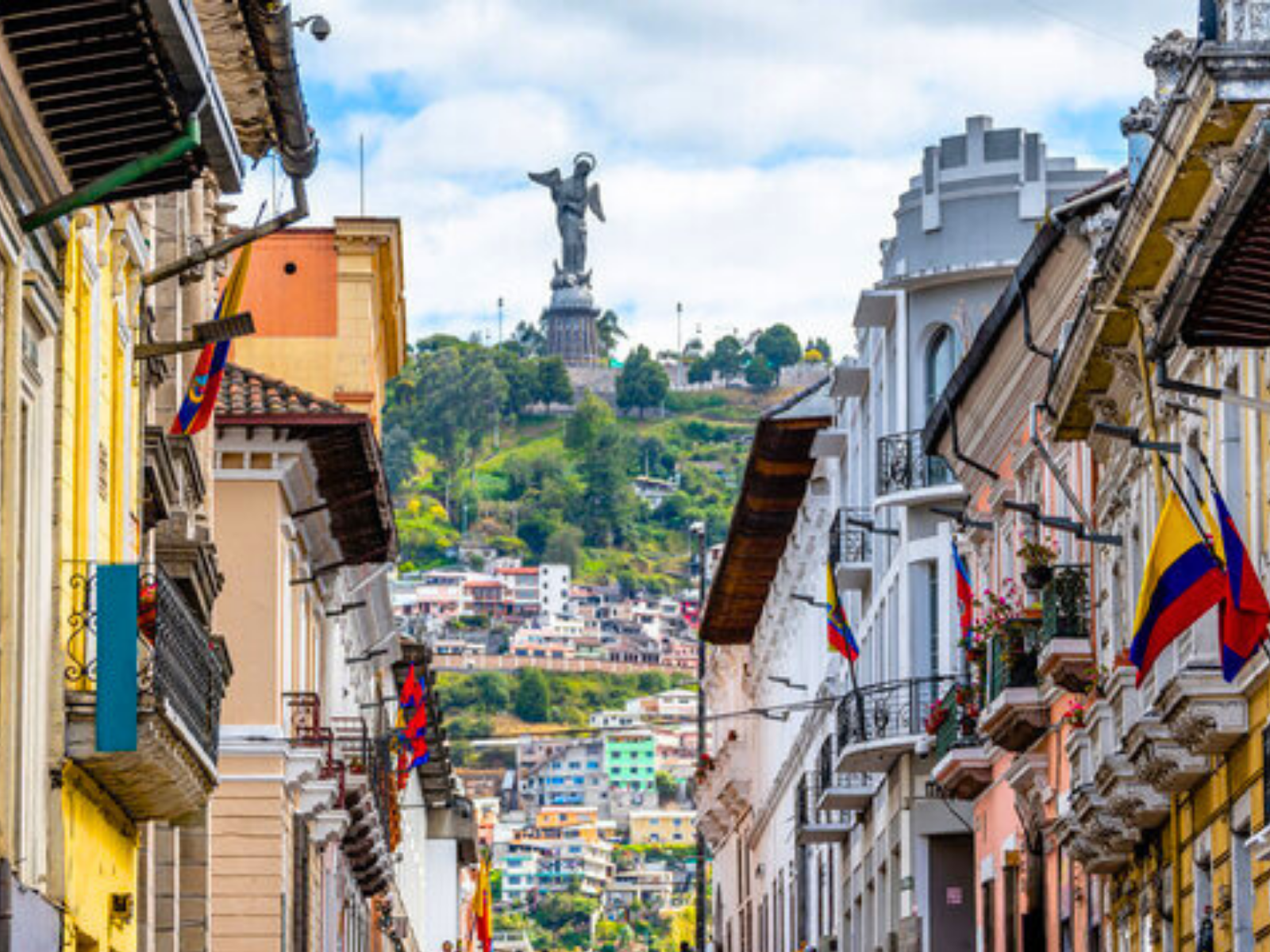
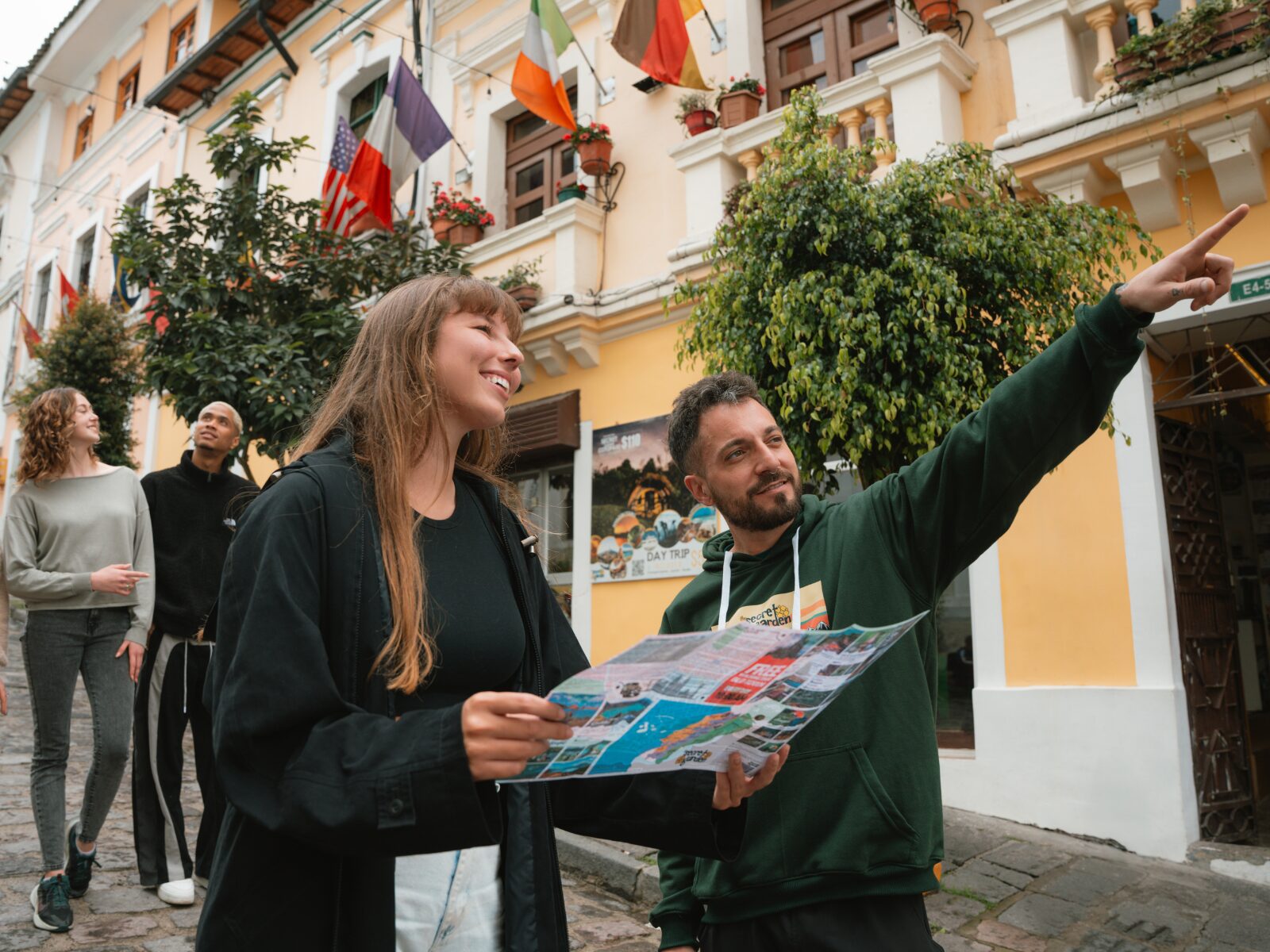
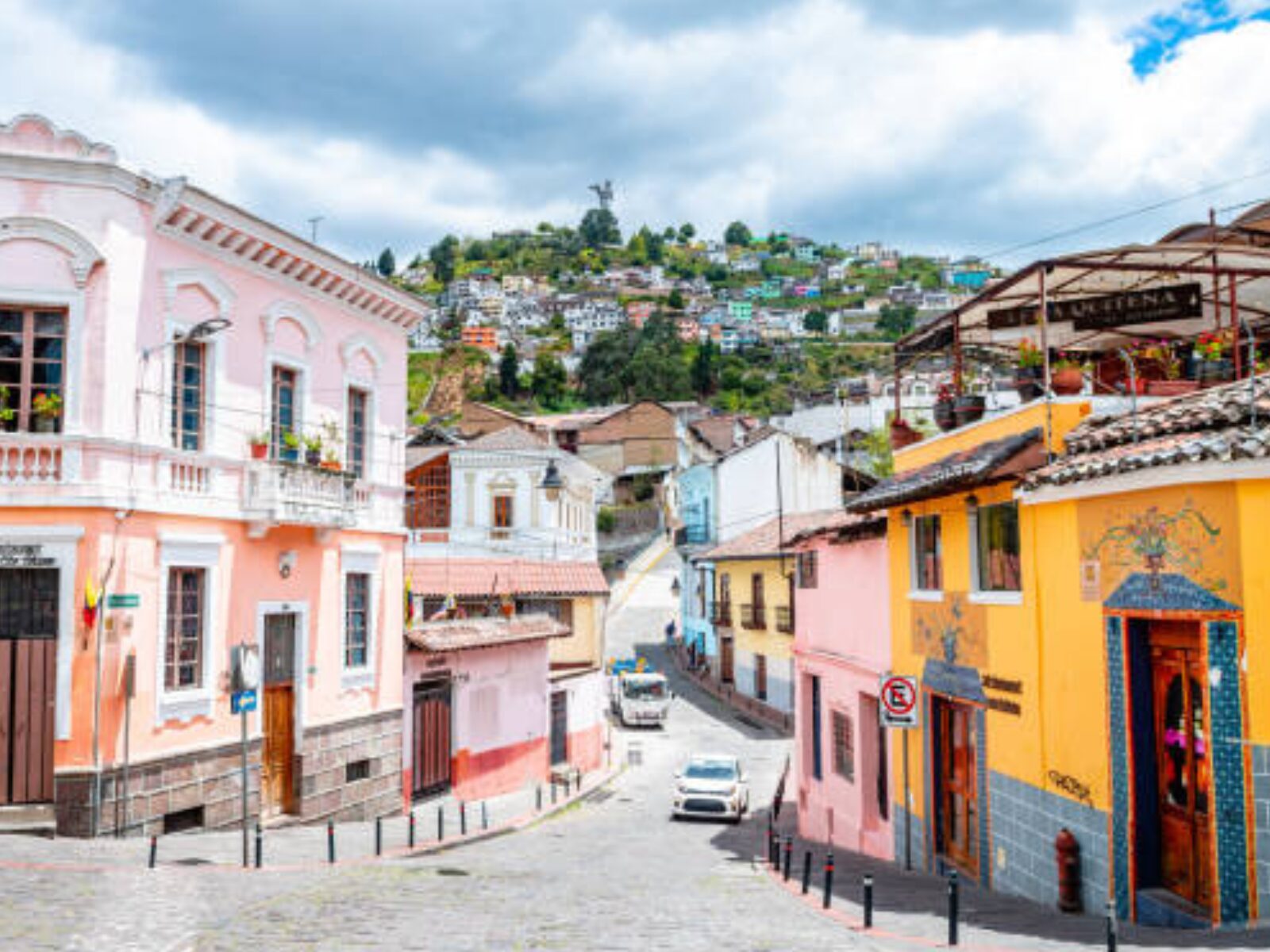
As you walk through the city, the guide gradually helps you understand how Quito became what it is today. The story unfolds naturally, place by place, street by street — making sense of the city in a way that feels intuitive, not academic.
You begin to see why certain squares, buildings, and monuments matter so much to locals, and how history is still present in everyday life. The past isn’t treated as something distant — it’s connected directly to how people live, think, and relate to the city today.
Walking Through Culture, Politics, and Daily Life
From the main square, the tour continues through streets that connect important government buildings, including the Presidential Palace and historic institutions tied to Ecuador’s independence.
Along the way, the guide explains how power, politics, and social structure shaped the city — and how those decisions still influence daily life in Ecuador today.
Everything is explained in a way that’s easy to follow, even if you’re completely new to the country.
Where the Story of Ecuador Begins
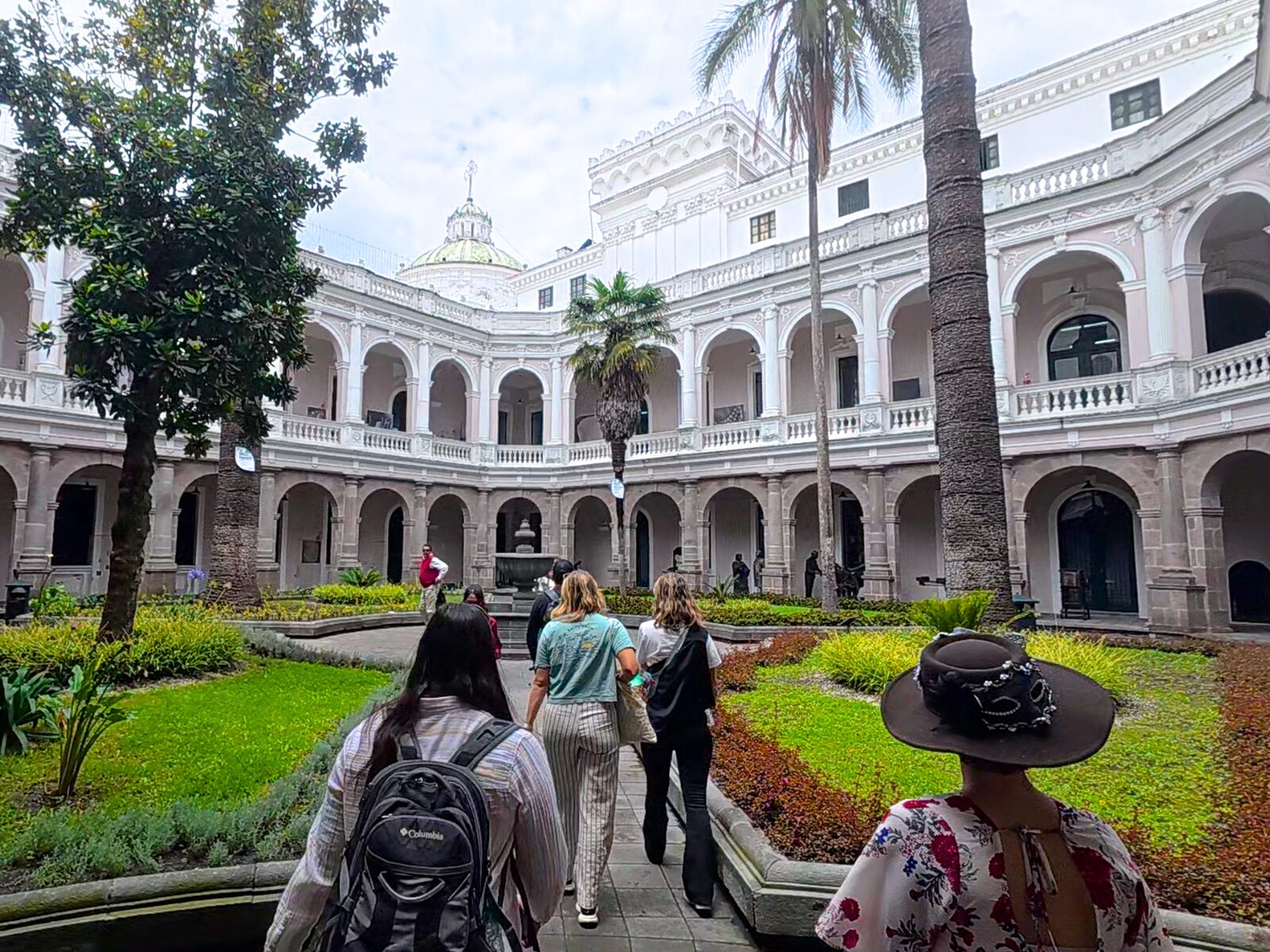
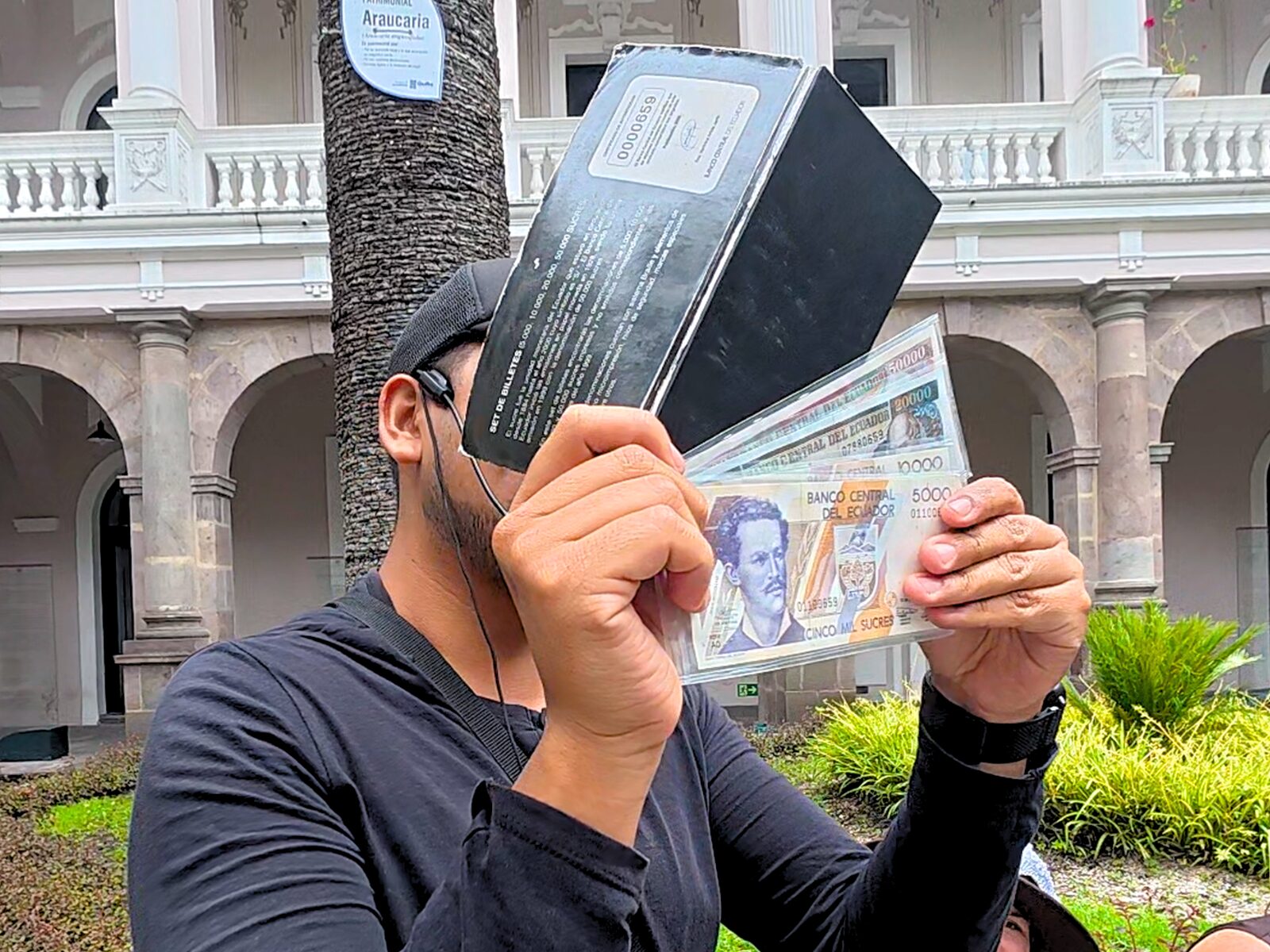
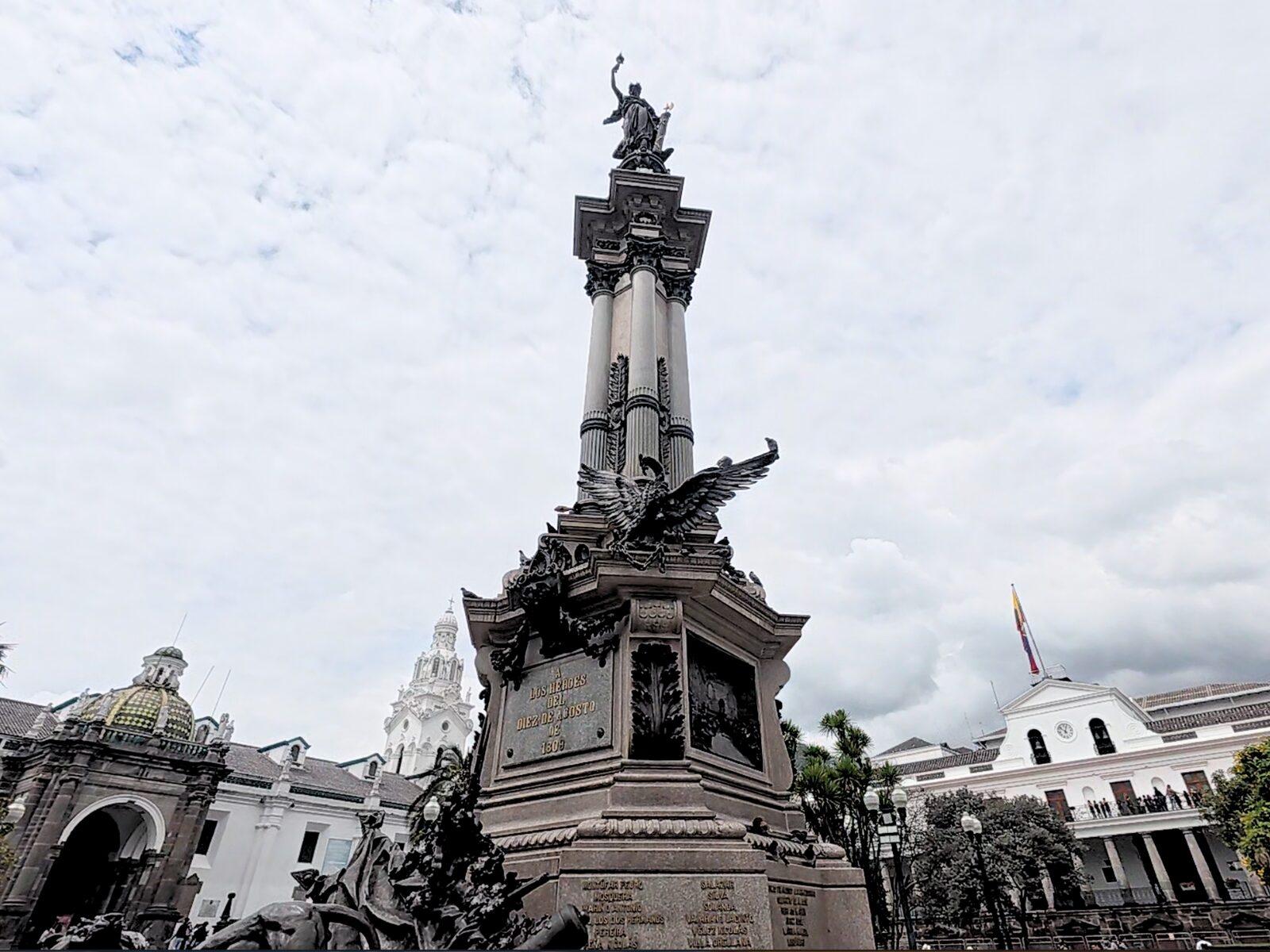
The tour starts in the heart of Quito’s Historic Center, at the Metropolitan Cathedral, located in Plaza Grande — the political and symbolic center of the country.
As you stand here, the guide introduces the origins of Quito, the colonial period, and the foundations of Ecuador as a nation. The explanations are clear, natural, and connected to what you see around you — so history feels alive, not distant.

Where Catholic Tradition Meets Indigenous Ancestral Culture
Ecuador is officially a Catholic country, and that influence is visible everywhere — churches, traditions, and public spaces throughout the Historic Center. But the guide also explains something many visitors don’t expect. Beneath the Catholic layer, there is a much older indigenous worldview that never disappeared.
You’ll learn about Pachamama, the Andean concept of Mother Earth, and how many young Ecuadorians today are reconnecting with these ancestral roots. This isn’t presented as a conflict, but as part of the country’s indigenous origin and identity — a layer that still shapes values, traditions, and the relationship with nature.
Taste, Culture, and Local Life
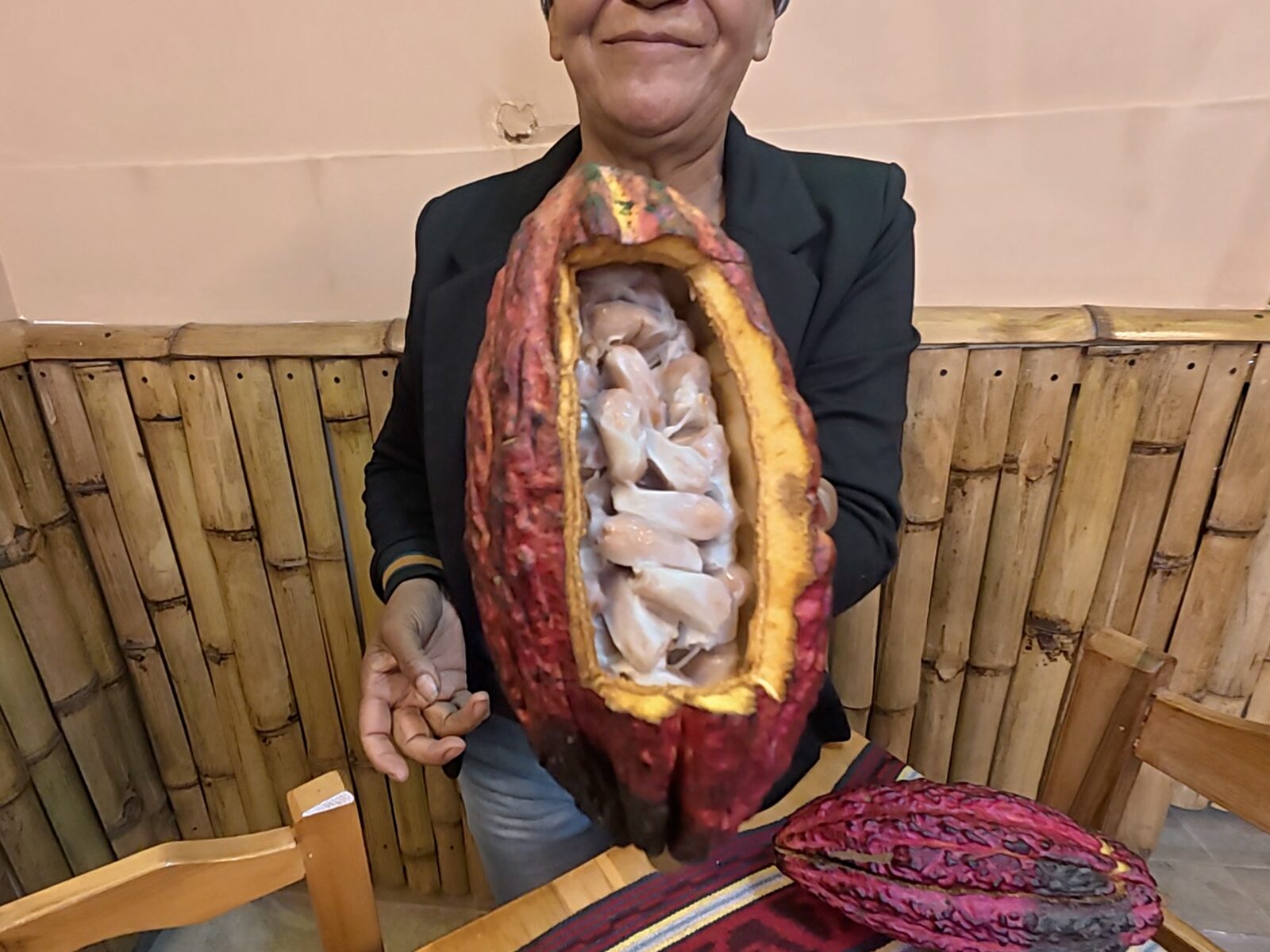
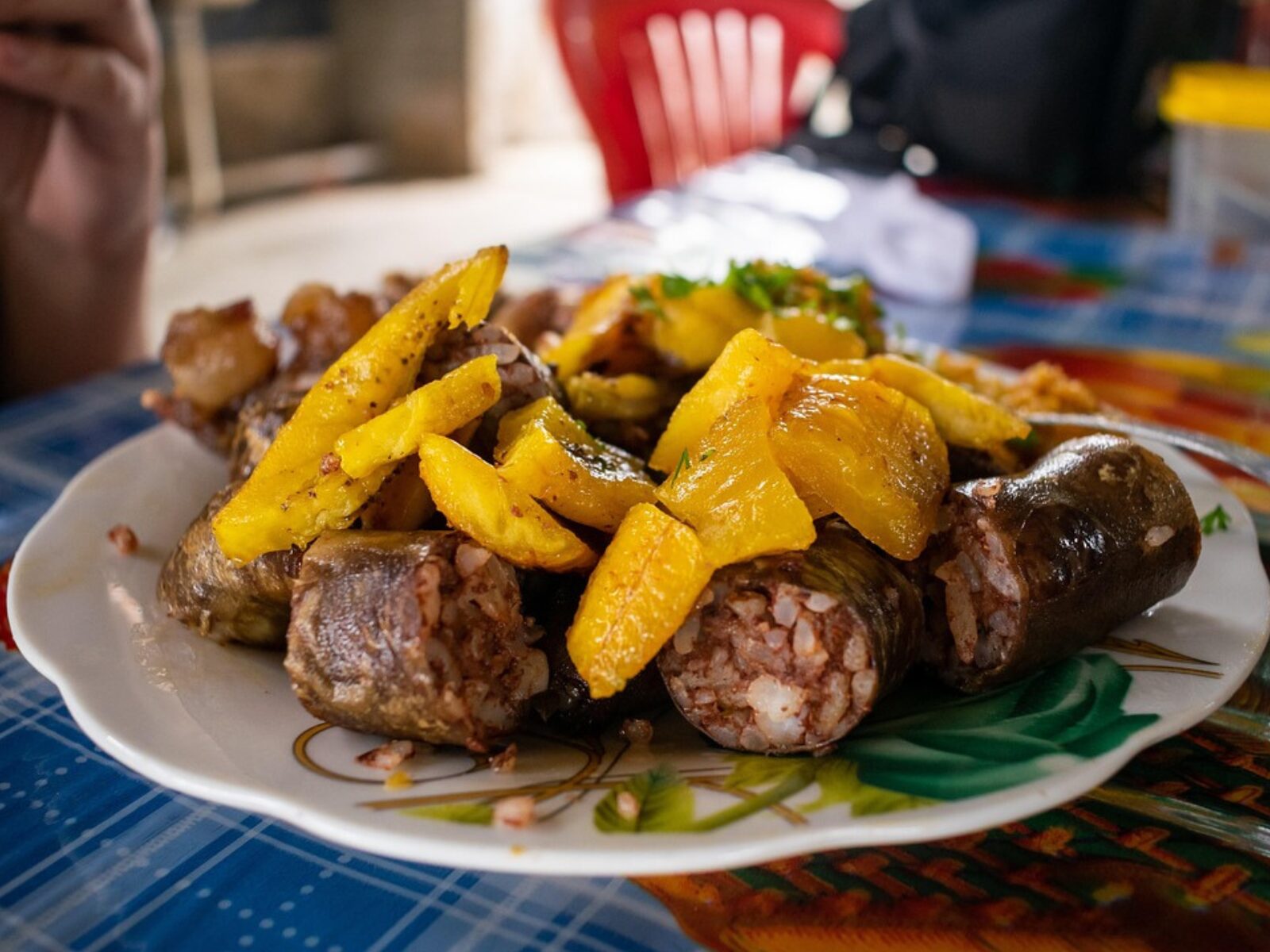
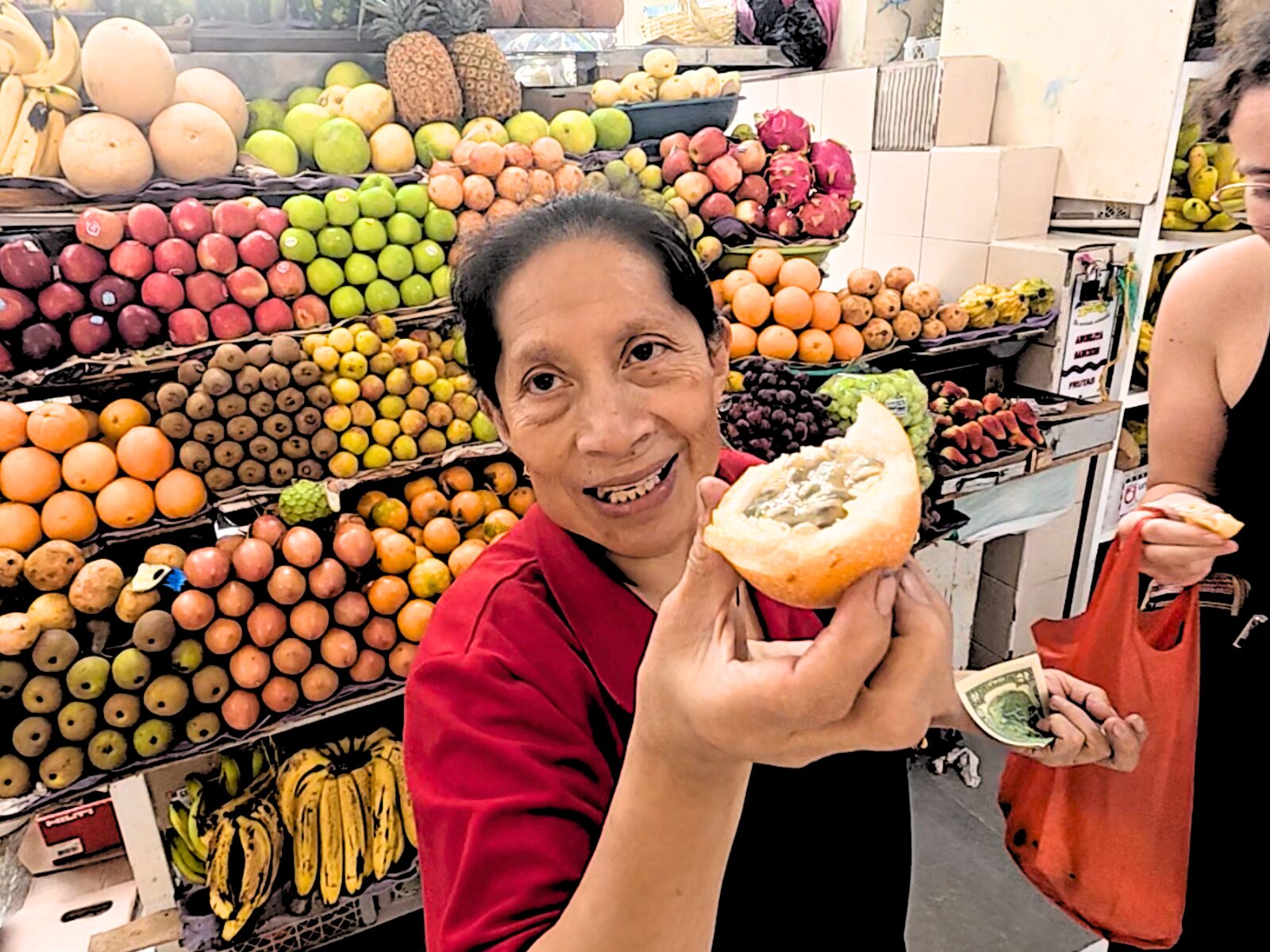
Along the route, the guide introduces you to everyday Ecuadorian culture — including stops at places locals truly value. You’ll learn about Ecuador’s world-famous cacao and visit chocolate shops that produce their own chocolate directly from it.
You’ll also hear about traditional foods and local favorites, including empanadas that many Quiteños consider the best in the city.
Food here is not just flavor — it’s history, economy, and culture.
Location
City of Quito
trip type
Discovering
Duration
3 hours
Starting at
09:30 PM
technical information about the Guide
This Free Walking Tour is led by a knowledgeable local guide who goes far beyond basic explanations.
Throughout the walk, the guide introduces Quito as Ecuadorians understand it — explaining history, culture, politics, daily life, and traditions in a clear and accessible way. You are always welcome to ask questions, clarify doubts, and get practical advice that helps you enjoy the city more.
In addition to the route itself, the guide continuously shares recommendations about places you can visit after the tour, local food spots, viewpoints, museums, and areas worth exploring on your own.
For many travelers, this tour becomes the moment when Quito finally makes sense.
The tour begins in the Historic Center of Quito, at the Metropolitan, in Secret Garden Quito
From there, we walk through the most important streets and squares connected to Ecuador’s political and historical development, including government buildings and landmarks related to independence and national identity.
Along the way, the guide explains how Quito developed over time, why certain places are deeply meaningful to locals, and how history still shapes everyday life today.
The tour also explores Ecuador’s cultural layers — from its Catholic roots to its indigenous origins — including an explanation of Pachamama and how younger generations are reconnecting with ancestral identity.
We finish the walk in an area with views of the Virgin of Quito, where the guide explains the cultural and symbolic importance of the monument.
• Guided walking tour with a local guide
• Cultural, historical, and social explanations
• Opportunity to ask questions at any time
• Local tips and recommendations for the rest of your stay
• Orientation to help you move around Quito with confidence
• Food and drinks
• Entrance fees (if any, optional)
• Tips (optional and appreciated)
Book with secret garden

Frequent Questions about Quito
The best time to visit Quito is during the dry season, from June to September. The weather is sunnier and ideal for walking around the historic center and visiting nearby volcanoes. However, Quito has mild temperatures year-round due to its high altitude.
Some must-see places include the Historic Center (a UNESCO World Heritage Site), Mitad del Mundo (Middle of the World), TelefériQo for panoramic city views, and the Basilica del Voto Nacional. Exploring local markets is also a great experience.
Two to three days are usually enough to explore the main attractions in Quito. If you plan to visit nearby places like Cotopaxi National Park or Mindo, you may want to stay longer.
At night, you can enjoy restaurants, rooftop bars with city views, live music, and cultural events. The La Mariscal area is popular for nightlife, while the Historic Center offers beautiful illuminated architecture.
Yes, Quito is definitely worth visiting. It offers a mix of colonial architecture, Andean culture, stunning mountain landscapes, and easy access to nature. Its altitude and scenery give it a unique character compared to other South American capitals.
If you have any other questions about Quito, transportation, tours, safety, or what to do during your stay, our team at Quito Garden is 100% prepared to help you. We’re happy to provide personalized recommendations and make sure your experience in Quito is smooth, safe, and unforgettable. Just reach out — we’re here for you.
